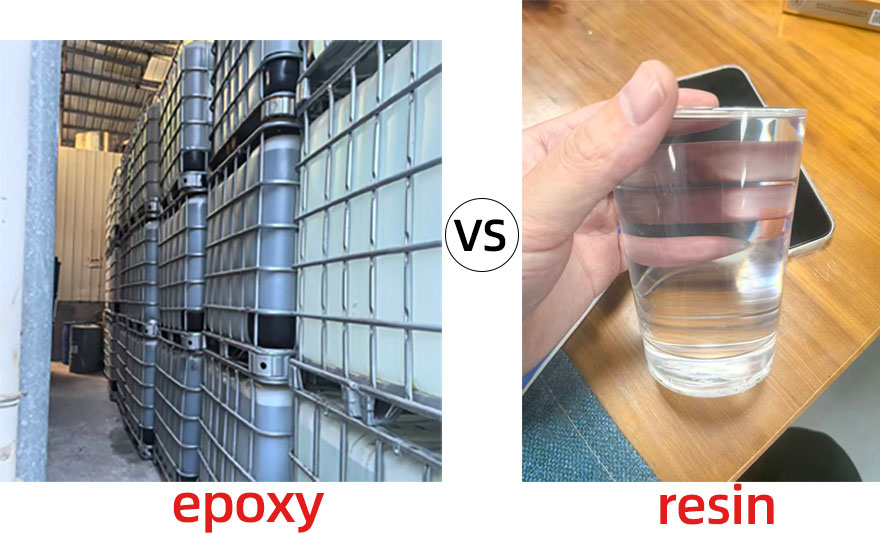
When embarking on a creative project or industrial application requiring durable, glossy finishes or strong bonding capabilities, you'll likely encounter two popular materials: epoxy and resin. Despite often being used interchangeably in casual conversation, these substances have distinct properties, applications, and limitations. Understanding the fundamental differences between epoxy vs resin is crucial for project success, cost efficiency, and safety.
This comprehensive guide explores every aspect of epoxy vs resin, helping you make informed decisions for your specific needs while avoiding costly mistakes that could compromise your project's integrity and appearance.
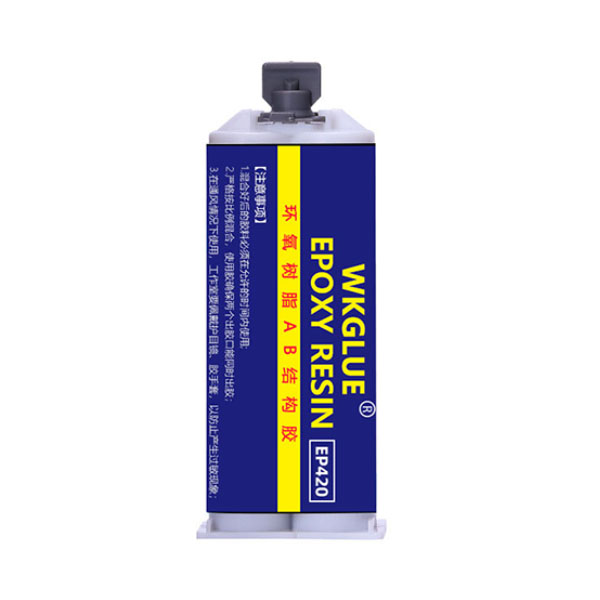
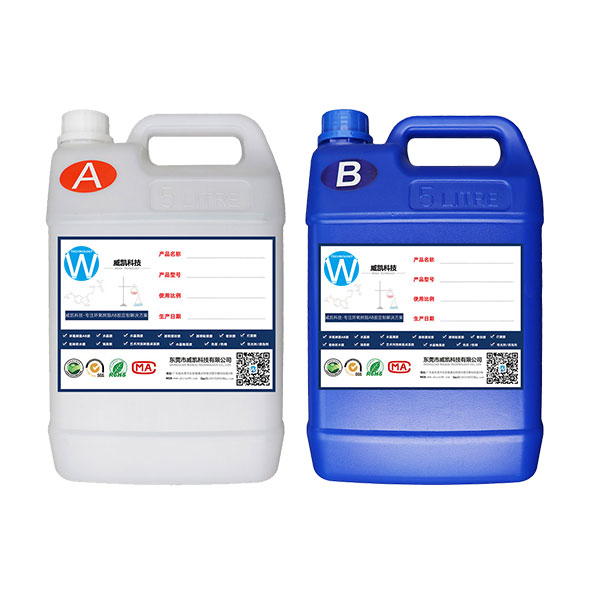
Epoxy refers to a category of reactive prepolymers containing epoxide groups that cure when mixed with polyamine hardeners. This chemical reaction creates an exceptionally strong, rigid, and durable thermosetting polymer with superior mechanical properties.
Epoxy formulations typically feature:
Exceptional adhesive strength
High resistance to chemicals and moisture
Superior mechanical properties and structural integrity
Minimal shrinkage during curing (typically less than 2%)
Longer pot life compared to many resins
Higher heat resistance (typically 120-150°F continuous exposure)
Epoxy's robust properties make it ideal for:
Industrial flooring systems
Marine applications (boat building and repair)
Aerospace components
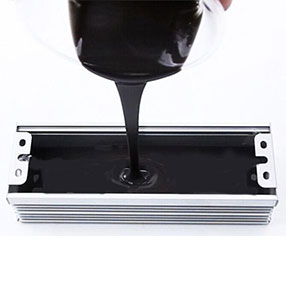
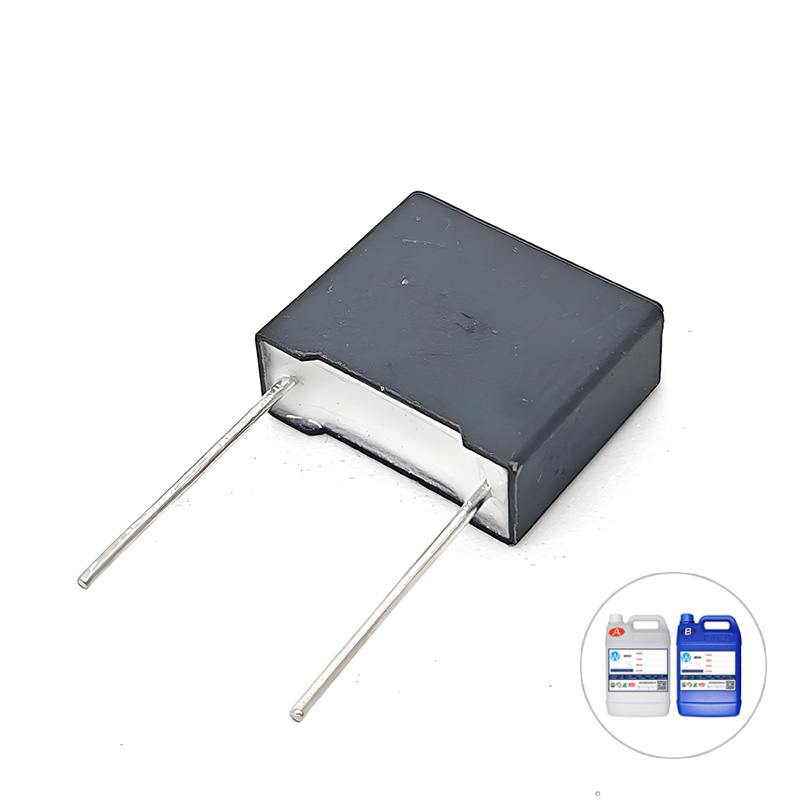
Electrical insulation and encapsulation
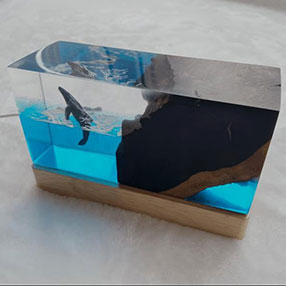
Countertop coatings and river tables
Structural bonding in construction
Artistic creations requiring thick pours
| Code name | The name of epoxy resin |
| E | Diphenol propane epoxy resin (bisphenol A epoxy resin) |
| ET | Organic titanium modified bisphenol A epoxy resin |
| EG | Organosilicon modified bisphenol A epoxy resin |
| EX | Bromine-modified bisphenol A epoxy resin |
| EL | Chlorine-modified bisphenol A epoxy resin |
| F | Phenolic multi-epoxy resin |
| B | Glycerol epoxy resin (Epoxy resin of glycerol) |
| L | Organophosphorus epoxy resin |
| G | Silicone epoxy resin |
| N | Phenolphthalein epoxy resin |
| S | Tetraphenyl epoxy resin |
| J | Resin of resorcinol epoxy |
| A | Tricyclohexylperoxide resin |
| R | Dibenzopentadiene epoxy resin |
| Y | Vinylidene cyclohexene epoxy resin |
| D | Polybutadiene epoxy resin |
| H | 3.4-Epoxy group - 6-methylcyclohexanecarboxylic acid |
| 3,4-Cyclodigalloyl group - 6-methyl epoxy methyl ester | |
| YJ | Dimethyl-substituted ethylene vinyl cyclohexene epoxy resin |
| W | Dibenzopentadiene ether epoxy resin |
The term "resin" broadly refers to viscous substances that harden when cured. In the context of epoxy vs resin discussions, "resin" typically refers to polyester resin or polyurethane resin—materials distinct from epoxy systems.
Polyester Resin: An affordable option that cures quickly with a catalyst (MEKP), offering moderate strength but significant shrinkage and odor.
Polyurethane Resin: Known for flexibility and impact resistance, available in various hardness levels.
UV Resin: Cures rapidly when exposed to ultraviolet light, ideal for small jewelry projects.
Silicone Resin: Heat-resistant with excellent flexibility, primarily used for molds rather than final products.
General resin properties include:
Faster curing times than epoxy (especially polyester)
Lower cost (particularly polyester resin)
More significant shrinkage during curing (5-15% for polyester)
Stronger odors and fumes during application
Typically lower heat resistance
Variable clarity depending on type and quality
Resins excel in:
Fiberglass reinforcement (boats, automotive parts)
Small jewelry and craft projects
Mold making (silicone resin)
Decorative items requiring quick turnaround
Prototyping and model making
Small-scale casting projects
The fundamental difference between epoxy and resin lies in their chemical structure and curing mechanisms:
Epoxy cures through a precise chemical reaction between resin and hardener components. This exothermic reaction creates cross-linked polymers with exceptional strength. The curing process is more controlled and less affected by ambient humidity.
Polyester Resin cures through a catalytic reaction initiated by adding methyl ethyl ketone peroxide (MEKP). This process is highly sensitive to temperature and humidity, with significant styrene emissions during curing.
When comparing epoxy vs resin for structural applications, epoxy typically demonstrates superior performance:
Tensile strength: Epoxy systems range from 5,000-10,000+ PSI versus polyester resin's 3,000-7,000 PSI
Flexural strength: Epoxy maintains integrity under bending stress significantly better than most resins
Impact resistance: While polyurethane resins excel here, standard polyester resins are more brittle than epoxy
Long-term durability: Epoxy demonstrates better resistance to yellowing, especially formulations with UV stabilizers
For projects where visual appearance matters:
Epoxy: Premium epoxy formulations offer water-clear transparency with minimal yellowing over time. Higher-end art epoxies include UV inhibitors to prevent ambering.
Polyester Resin: Typically has a slight blue or green tint when cured and tends to yellow more quickly when exposed to UV light.
UV Resin: Offers good clarity for small projects but often yellows significantly over time.
Working time significantly impacts project feasibility:
Epoxy: Standard formulations provide 20-45 minutes of working time at 77°F (25°C), with specialized slow-cure options extending this to several hours.
Polyester Resin: Typically offers only 10-20 minutes of working time before significant thickening occurs.
UV Resin: Remains workable until exposed to UV light, offering unique workflow advantages for small projects.
Cost differences can impact project feasibility:
Epoxy: Higher initial cost ( $ 30-150+ per gallon depending on quality and formulation)
Polyester Resin: More economical ( $ 15-50 per gallon)
UV Resin: Highest cost per volume but used in minimal quantities for small projects
While epoxy costs more upfront, its superior coverage, lower shrinkage, and reduced need for rework often make it more cost-effective for professional applications.
Select epoxy when your project requires:
Structural integrity and load-bearing capabilities
Water-resistant applications (especially marine environments)
Thick pours exceeding 1/8 inch per layer
Superior clarity for art and display pieces
Applications requiring minimal shrinkage
Projects exposed to temperature fluctuations
Food-contact surfaces (with FDA-approved formulations)
Resin may be preferable when:
Budget constraints are primary considerations
Quick turnaround is essential
Working on small jewelry or craft projects
Creating fiberglass laminates
Projects don't require superior strength or clarity
Working in well-ventilated areas where fumes aren't problematic
Safety protocols differ significantly between these materials:
Primary concerns include skin sensitization and respiratory protection during sanding
Lower VOC emissions than polyester resin
Requires nitrile gloves and eye protection
Sanding cured epoxy requires respiratory protection due to fine particulates
Strong styrene emissions require excellent ventilation or respirator use with organic vapor cartridges
MEKP catalyst is highly reactive and requires careful handling
Exothermic reaction can cause containers to overheat if mixed in large quantities
Requires more comprehensive PPE including respirators, gloves, and protective clothing
Temperature control: Warm components to 75-85°F before mixing for optimal results
Precise measurement: Use digital scales for accurate resin-to-hardener ratios
Degassing: Remove bubbles with a heat gun or torch after pouring
Layering strategy: For deep pours, use multiple thinner layers rather than one thick application
Curing environment: Maintain consistent temperature during cure for optimal properties
Ventilation first: Always work in well-ventilated areas or use appropriate respirators
Catalyst precision: Measure MEKP catalyst carefully—too little prevents proper curing, too much creates excessive heat
Temperature awareness: Warm resin before use in cold environments to reduce viscosity
Work quickly: Have all materials ready before mixing polyester resin due to short pot life
Surface preparation: Ensure proper surface preparation for optimal adhesion
Generally, yes. Epoxy typically demonstrates superior tensile strength, compressive strength, and adhesion properties compared to polyester resin. However, polyurethane resins may offer better impact resistance and flexibility for specific applications.
Yes, but with careful planning. Many artists use epoxy for the main pour due to its clarity and minimal shrinkage, while using polyester resin for fiberglass reinforcement in structural elements. Ensure compatibility between systems and allow proper curing time between applications.
Epoxy's higher cost reflects its superior raw materials, more complex manufacturing process, and enhanced performance characteristics including strength, durability, clarity, and reduced shrinkage.
Standard epoxy reaches initial cure in 24 hours but achieves full mechanical properties in 5-7 days. Polyester resin typically cures to handling strength in 2-4 hours but continues curing for several days. UV resin cures within minutes under proper UV exposure.
Yes, but with considerations. While UV resin is more common for small jewelry due to its quick curing time, many artisans prefer high-clarity epoxy for pendants and statement pieces that benefit from epoxy's superior durability and optical clarity.
The epoxy vs resin debate ultimately centers on matching material properties to project requirements. Epoxy offers superior strength, clarity, and durability at a higher price point, making it ideal for professional applications and projects where performance is paramount. Resin (particularly polyester) provides economic advantages and faster curing times but with compromises in strength, clarity, and working characteristics.
By understanding the fundamental differences in chemical composition, working properties, safety requirements, and end-performance characteristics, you can confidently select the appropriate material for your specific needs. Whether creating a stunning river table that will last generations or crafting small jewelry pieces for immediate enjoyment, the right choice between epoxy and resin ensures project success and satisfaction.
Remember that quality matters significantly within each category—premium formulations of both epoxy and resin will outperform economy options. Always prioritize safety with proper ventilation and protective equipment regardless of which material you choose.
For additional guidance on specific applications, consult with material manufacturers who can recommend products tailored to your unique project requirements.